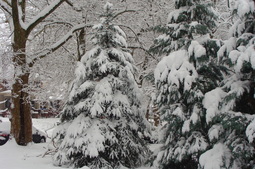
 Everything outside my window wears a pure, white cloak. I love looking out at the fresh fallen snow, the way it balances on bare branches, dresses up dirty winter streets and softens everything. I remember the afternoon of my fifth birthday when the first snowflakes of the winter started to fall. I believed, in that sure way only a small child can, that the snow was falling just for me. I wore my favorite dress with pink polka-dots. It was the Mad Men era when little girls wore dresses, even on days it snowed. Nature didn’t guarantee snow would stick where I lived. Usually it was a sloppy mess, soon turning to rain. Only once every few years, did enough pile up that we could go sledding on the hill behind our house. Nothing but the coming of Christmas caused more joy. Now I live where it snows every winter and we measure it in feet, not inches. Oh, it can be a pain, the cold, the shoveling, the dangerous driving. But I have a five-year-old in me that still gazes in wonder. Because it’s beautiful and I know it’s just for me. 
1 Comment
I try to remember to get up from my computer every hour and stretch. Even so, my back hurts. I hold stress in my neck and shoulders causing stiffness and pain and sciatica zingers shoot down my legs.
My physical therapist and I are so close she came over for Thanksgiving dinner last year. Now I’m two-timing her with a massage therapist, and cheating on both with a yoga practitioner. I meditate to calm down so as to keep all my medical appointments straight. This morning in meditation, it came to me that I felt anger and bitterness toward my aching back. I distinctly heard my back talk back. “I’ve been supporting you for decades.” I opened my eyes, but my husband was no where in sight. “I’ve been with you through every up and down of your life, constantly supporting you,”said my back. “And I don’t feel very appreciated.” Wow. Attacking my body with negative thoughts is not helpful. Not healthful. This Thanksgiving I’m going to be especially aware of the gift of my strong back and be grateful for it. 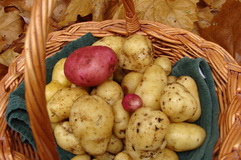 Dug my potatoes just in time to beat the first snowfall. Now to dig out my grand-mother’s recipe for new potatoes and peas in a cream sauce. As a kid I always loved that dish. Earlier this week I celebrated the cold weather, making chicken and dumplings for the first time. I planned to take a picture, but they were gone too fast. The potatoes are an experiment in small space gardening.I planted them in half a whiskey barrel, and piled soil and straw around the plants as they grew. Wire mesh wrapped around the top of the barrel held the soil in place. The whole thing was supposed to have filled with potatoes. The only ones I found were at the roots of the plants, just as if I had planted them in the ground. Not sure why this didn’t work. Anybody? I did get them in a little late and found lots of tiny potatoes. If I try again next year, I’ll start earlier. My begonias survived the snow. Still beautiful. 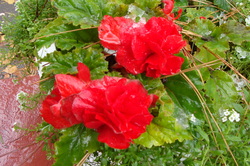 Brooding about so-and-so-author-who-just- came-out-with-book-four-in-four-years kills any chance of worthwhile writing.
In a weak moment, googling this author and reading her blog might seem inspirational. Judging her books trash, acknowledging they do seem to be selling by the tens of thousands, convincing yourself that doesn't change their trash-status... Hmmm. The adrenaline is flowing. Words might even be flowing across the page. But more likely, you will be slumped over the keyboard feeling like your own writing is trash and you'll never finish another book. Using the rush of feeling that comes from thinking about the success or failure of other authors to drive your own work may put words on the page in the short term. In the long term it results in shallow, contracted writing. Word that speak deeply about the human condition flow from a self solid in its identity and purpose as if no other writer ever picked up a pen, or tapped keys on a keyboard. 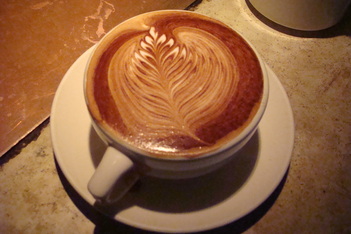 Just so we're clear here. The drink referred to on this blog is Coffee.
Mine, at home, do not look this pretty. But today I was out with my girlfriends. This double mocha latte is courtesy of Kirk at Lindaman's. My husband and I have enjoyed this restaurant since before we were married in 1985. (In the interests of full disclosure, my youngest child is now a dishwasher here. He got the job himself, I had nothing to do with it. Actually, I had never even taken him her to eat.) Possibly my favorite drink here is a caffee corretto known as the Triumvirate. The hot drink contains espresso, bailey's, crème de menthe, kahlua, spiced chocolate and half n half. This is not a joke. A Mexican, an Irishman and a Frenchman walked into a very busy Italian bistro. They proceeded to order what each described as their own country's finest coffee libation. Too busy to accommodate the attention to detail each drink required, the barista mingled three as one. Straight off the menu. I kid you not. Notice the first ingredient is espresso. So, yes. It qualifies as coffee. |
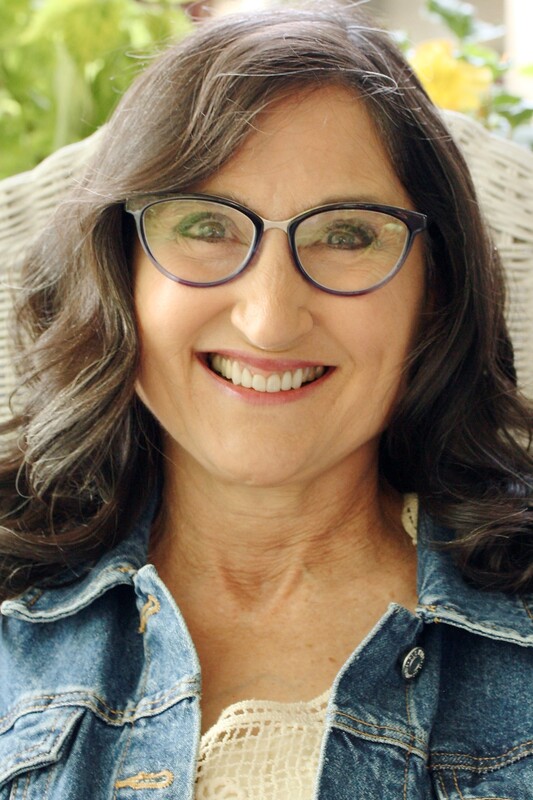
I'm fascinated to discover little-known history, stories of people and events that provide a new perspective on why and how things happened, new voices that haven't been heard, insight into how the past brought us here today, and how it might guide us to a better future.
I also post here about my books and feature other authors and their books on compelling and important historical topics. Occasionally, I share what makes me happy, pictures of my garden, recipes I've made, events I've attended, people I've met. I'm always happy to hear from readers in the blog comments, by email or social media. Archives
September 2023
Categories
All
|